

Beyond Regulation: What Comes Next From an EU

―From an EU-linked Dialogue on Textile Circularity―
In previous articles, we have explored waste and plastics,
trying to understand what happens after things are discarded.
Textiles sit naturally on that same continuum.
Recently, I attended a circular economy workshop on textiles,
bringing together European and Indian stakeholders.
It was part of an EU-linked initiative aligned with current circular economy policy discussions.
The workshop touched on upcoming delegated acts related to
the Ecodesign for Sustainable Products Regulation (ESPR)
and the Digital Product Passport (DPP) for textiles.
Topics such as durability, repairability,
the use of recycled content,
and how product information might be embedded as data
were discussed rather openly.
These are terms many of us have heard before.
What felt different, however, was not the content of the regulation itself,
but the assumptions underlying the discussion.
One message was repeated throughout the session:
this regulation cannot be implemented by Europe alone.
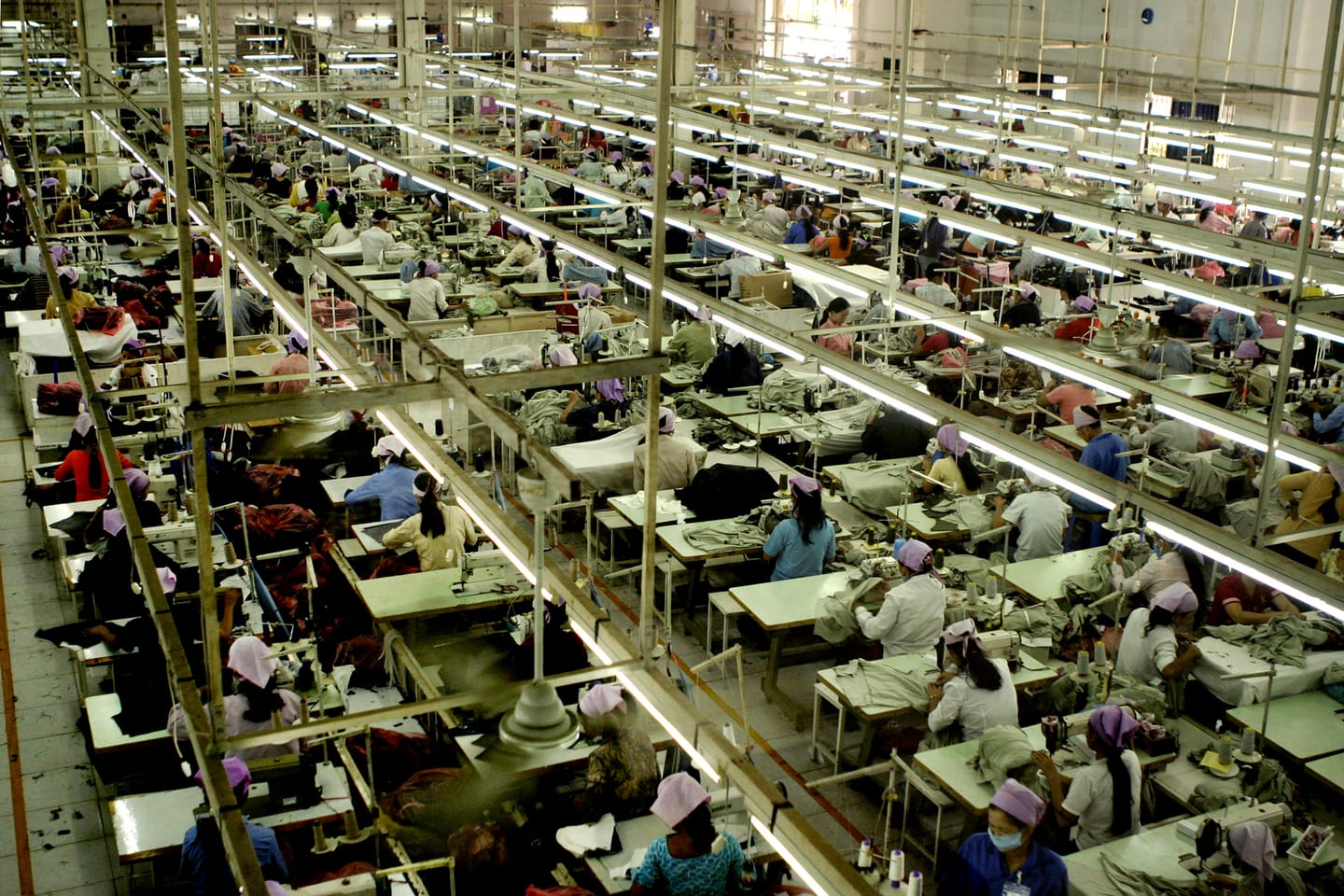
Textiles rely on long and complex supply chains.
Many critical processes take place outside the EU.
India, Japan, Bangladesh, Southeast Asia and South America.
Without collaboration with SMEs, local clusters,
and production regions across the supply chain,
ESPR and DPP will remain frameworks on paper.
This reality was clearly acknowledged during the workshop.
Regulation is often framed as a division
between those who define the rules and those who must follow them.
Yet the discussion here seemed to move beyond that structure.
Where can implementation begin on a small scale?
What can be learned through pilot projects rather than blanket adoption?
The focus was less on designing regulation
and more on how to move together with the people on the ground.
At the same time, it feels as though this sense of urgency
has not yet been fully shared across all regions.
In Japan and parts of Asia,
European regulation is still often perceived as distant or premature.
But what emerged from this workshop
was not simply a story about compliance.
It was a conversation about redesigning relationships.
Who works with whom,at which stage of the value chain,
and in what form.
Circular economy systems do not function through policy or technology alone.
They begin to move only through relationships between people.
Textile circularity is not only about clothing.
It quietly questions how global supply chains share responsibility.
This question resonates beyond textiles —
from waste management
to the reconstruction and recovery projects that will be discussed next.
Circular economy thinking appears to be entering a new phase.
That was the atmosphere of the room.