

Circular Textiles in Europe: Current Realities and Challenges

Reflections on Local Initiatives and Global Industrial Structures
Over the past few weeks, I have participated in several discussions on Europe's circular textile transition.
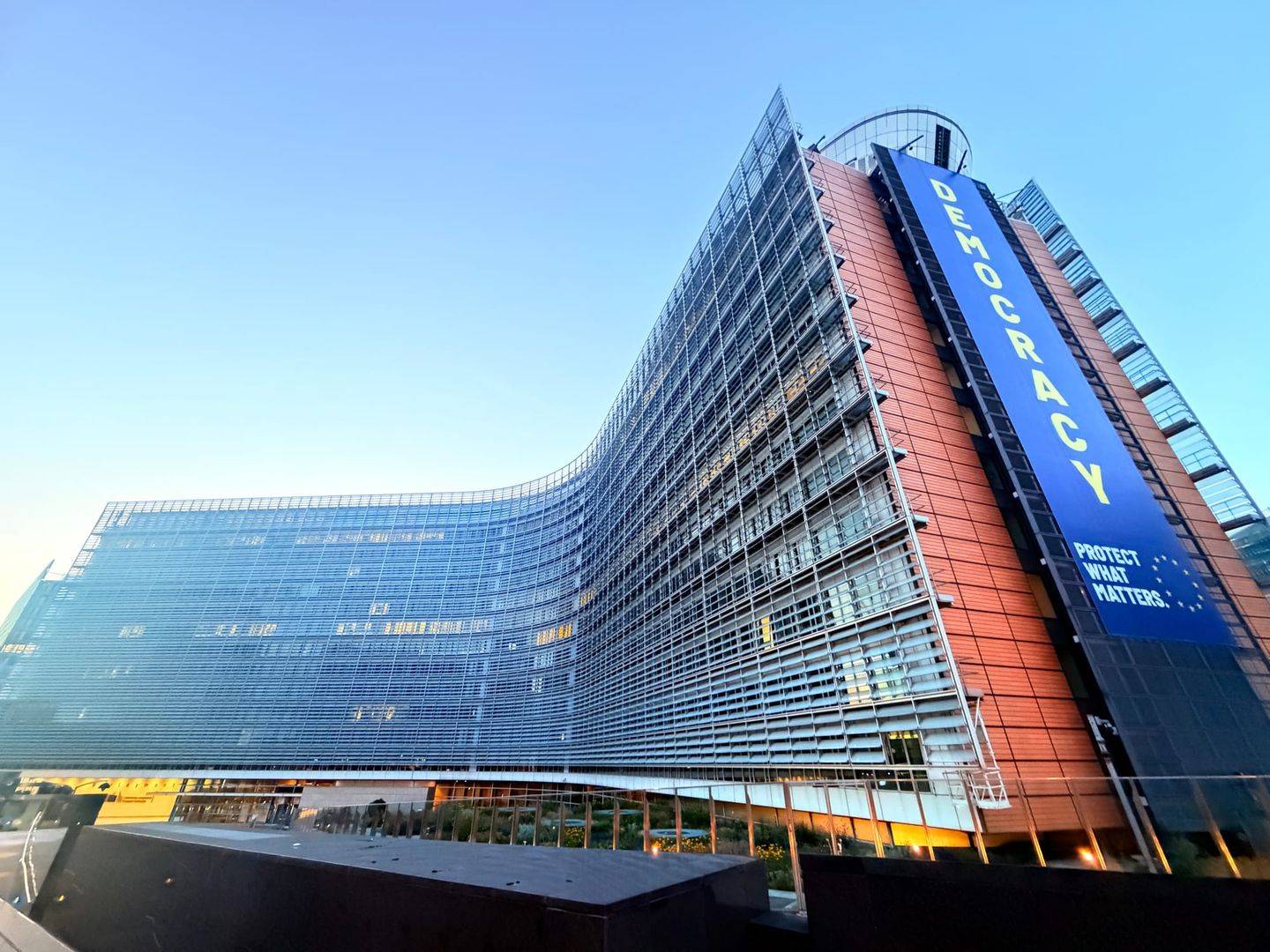
At the European Week of Regions and Cities in Brussels, the focus was on municipal textile collection and its practical challenges. At the FABRIX final conference in Rotterdam, the discussion centred on rebuilding local circular textile industries. During a visit to De HER, I observed how recovered materials could be made available to local entrepreneurs.
These initiatives approach circularity from different perspectives. Yet they raised a common question for me.
Europe is making progress towards circular textiles, but significant challenges remain in turning circular ambitions into economically sustainable industries.
These observations represent only a limited part of Europe. Nevertheless, together with recent online discussions, they offer useful insights into the current transition.
Collection Does Not Automatically Create Circularity
Since 2025, EU Member States have been required to introduce separate collection systems for textile waste.
However, municipalities still face practical challenges involving collection costs, sorting, and what happens to textiles after they are collected.
Used textiles differ widely in composition, quality, and condition. Some can be reused, others recycled, while certain materials remain difficult to process.
And even when recycled materials can be produced, they still need buyers.
According to the European Environment Agency, the EU exports around 1.4 million tonnes of used textiles annually, mainly to Africa and Asia.
These flows support reuse markets, sorting operations, recycling businesses, and employment. However, some imported materials ultimately become waste and may be landfilled or openly burned.
Collecting textiles in Europe therefore does not necessarily mean that their entire lifecycle has become circular.
Europe's circular textile transition cannot be understood within European borders alone.
Rebuilding Local Circular Industries
The FABRIX project in Rotterdam approached the problem from another direction.
It explored how manufacturers, designers, repair businesses, material suppliers, and other stakeholders could be connected to strengthen local circular textile ecosystems.
De HER offered an interesting practical example.
Materials brought in by residents can be redirected towards local entrepreneurs for reuse, repair, and product development.
A municipal facility traditionally associated with waste management is also becoming a place where new economic activity can emerge.
Yet the entrepreneurs participating in the FABRIX discussions highlighted the challenges of building commercially viable businesses.
Who will purchase circular materials and products? Can quality, pricing, and supply volumes meet market expectations?
Another question concerns the extent to which textile manufacturing can realistically be brought back to European cities after decades of global specialisation.
Local production may create opportunities for employment, skills development, and resource efficiency. However, it is not automatically the most environmentally or economically effective solution in every case.
The challenge is to determine which activities should be strengthened locally and where international collaboration remains essential.
Circular Businesses Must Be Economically Sustainable
Throughout the discussions, sustainability was increasingly considered alongside economic competitiveness, supply security, and affordability.
Circular products cannot succeed on environmental benefits alone if they fail to meet expectations for price, quality, and availability.
Similarly, circular businesses cannot survive without sustainable revenues.
The organisations involved in collection, production, distribution, and reuse operate under different commercial conditions.
Connecting these organisations and aligning their interests is therefore as important as technological innovation.
This may explain why the role of facilitators was repeatedly emphasised during the FABRIX discussions.
As European regulation and technology progress, the practical challenges of commercial implementation are becoming more visible.
Understanding Europe's Current Position
From Japan, Europe is often seen as a leader in circular economy policy and innovation.
There is certainly much to learn from its regulations, research, local initiatives, and entrepreneurial activities.
However, this does not mean that every circular business model has become commercially viable.
Who will use recovered materials? Who will finance the necessary infrastructure? Who will buy the resulting products? And are environmental or financial burdens simply being transferred to other regions?
These questions must be considered across the entire value chain.
They are not European issues alone. They concern the global textile industry, including Japan.
Regulation and technology are essential, but they are not sufficient.
The more fundamental challenge is how to build an economic system in which the companies and people responsible for circularity can continue to participate.
Europe is still working towards that goal.
I encountered a related set of challenges from a different perspective when participating in Circular Textile Days as an exhibitor.
In the next article, I will reflect on what that experience revealed about the value of Japanese craftsmanship and the practical implementation of Digital Product Passports.