

When “Invisible Waste” Covers the World

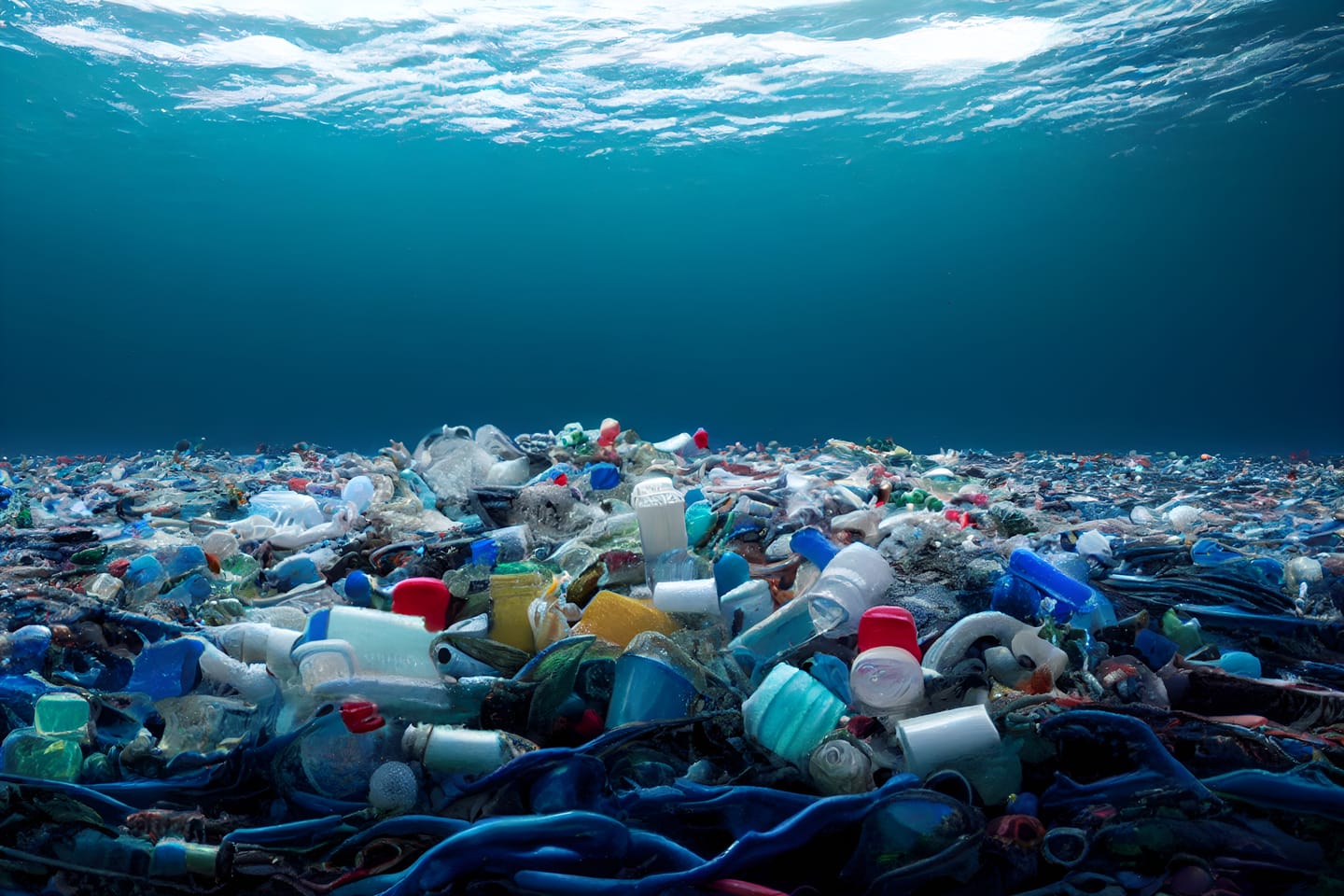
Vol.15| The Quiet Threat of Plastic Bottles
Introduction: When We Don’t See the Problem
On the beach, large plastic waste is easy to notice.
Foam, fishing nets, bottles.
But the most troubling pollution is often the one we cannot see.
Plastic bottles are transparent, light, and convenient.
They are also fragile — and they break down quietly.
Their transparency is precisely what makes them dangerous.
1|How Many Plastic Bottles Do We Use?
Globally, around one million plastic bottles are sold every minute
(UNEP / Euromonitor International).
That adds up to nearly 500 billion bottles per year.
Yet only 20–30% are effectively recycled.
In Japan:
- Around 23 billion bottles sold annually
- About 180 bottles per person per year
- Collection rates exceed 85%, but collection is not the same as recycling
Not all collected bottles return as bottles.
2|What Happens After Recycling?
Collected bottles follow different paths:
- Some become fibers or sheets
- Some are exported
- Lower-quality plastics are incinerated or landfilled
Plastic degrades each time it is recycled.
PET cannot be recycled infinitely.
Over time, degraded plastics fragment into microscopic particles.
3|Microplastics: Invisible but Persistent
Particles smaller than 5 mm are called microplastics.
- Tens of thousands can be found in a single cubic meter of seawater
- Bottle bodies, not just caps or labels, are a major source
- Sunlight, waves, and friction accelerate fragmentation
Health impacts remain uncertain —
but uncertainty does not mean safety.
4|Why Plastic Bottles Spread So Widely
Plastic bottles were not designed to harm.
They are light, hygienic, and durable.
In emergencies, they save lives.
The problem lies in the mismatch between use time and responsibility time.
Minutes of use.
Decades — or centuries — of persistence.
That gap defines the quiet threat.
5|How Do We Address Invisible Waste?
Invisible waste cannot be solved by cleanup alone.
What’s needed:
- Design that assumes reuse, not disposal
- Refill and deposit-return systems
- Rethinking the idea that “drinks require bottles”
Most importantly,
we must resist the temptation to stop caring once waste disappears from sight.
Conclusion: The Quieter the Problem, the Deeper the Design Question
Plastic bottles are transparent.
So are their impacts.
Invisible waste spreads not loudly, but steadily.
The circular economy is not about dramatic solutions —
it is about learning to see what has become invisible.